Favourites

Favourites

One object I keep rebuilding, and one activity that still feels worth doing after it became a job.

Favourite thing

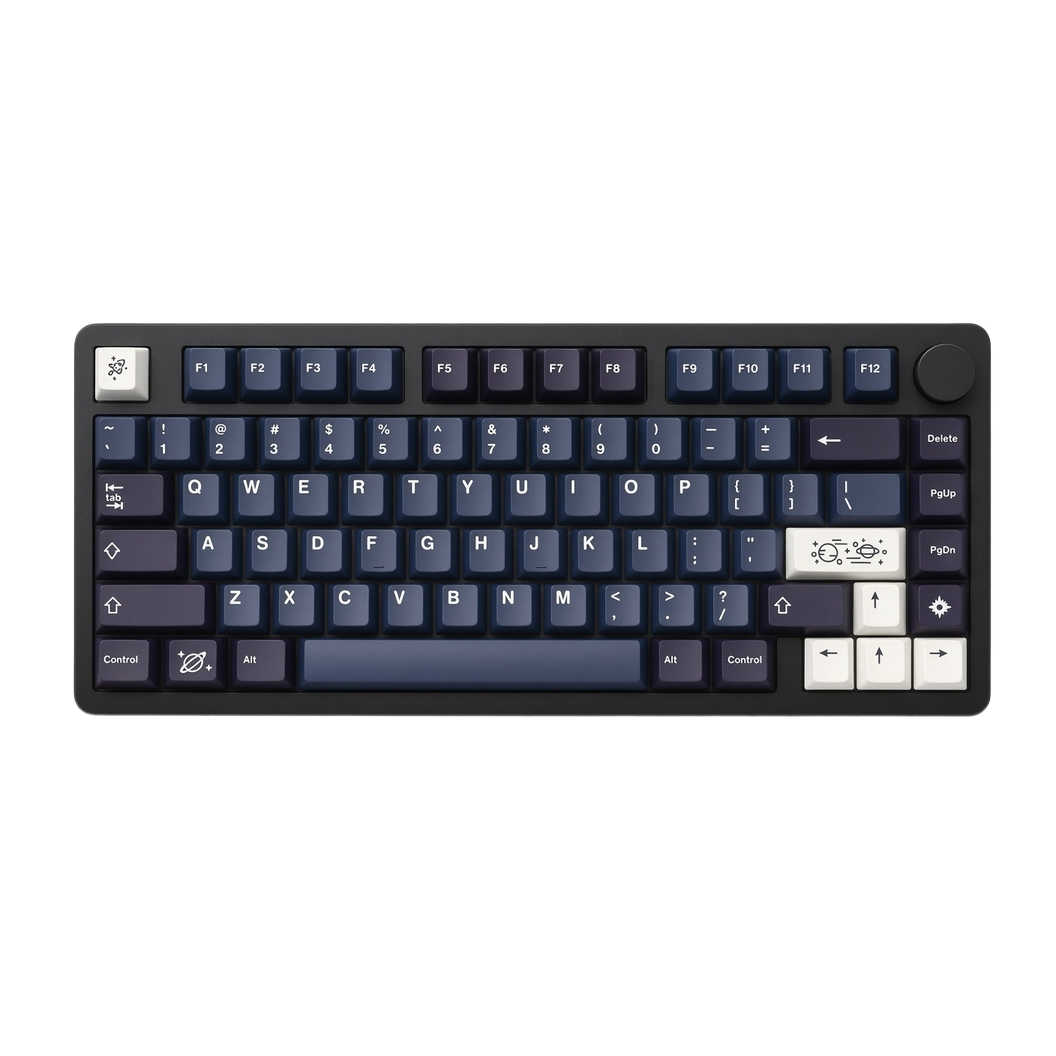
Navy custom mechanical keyboard
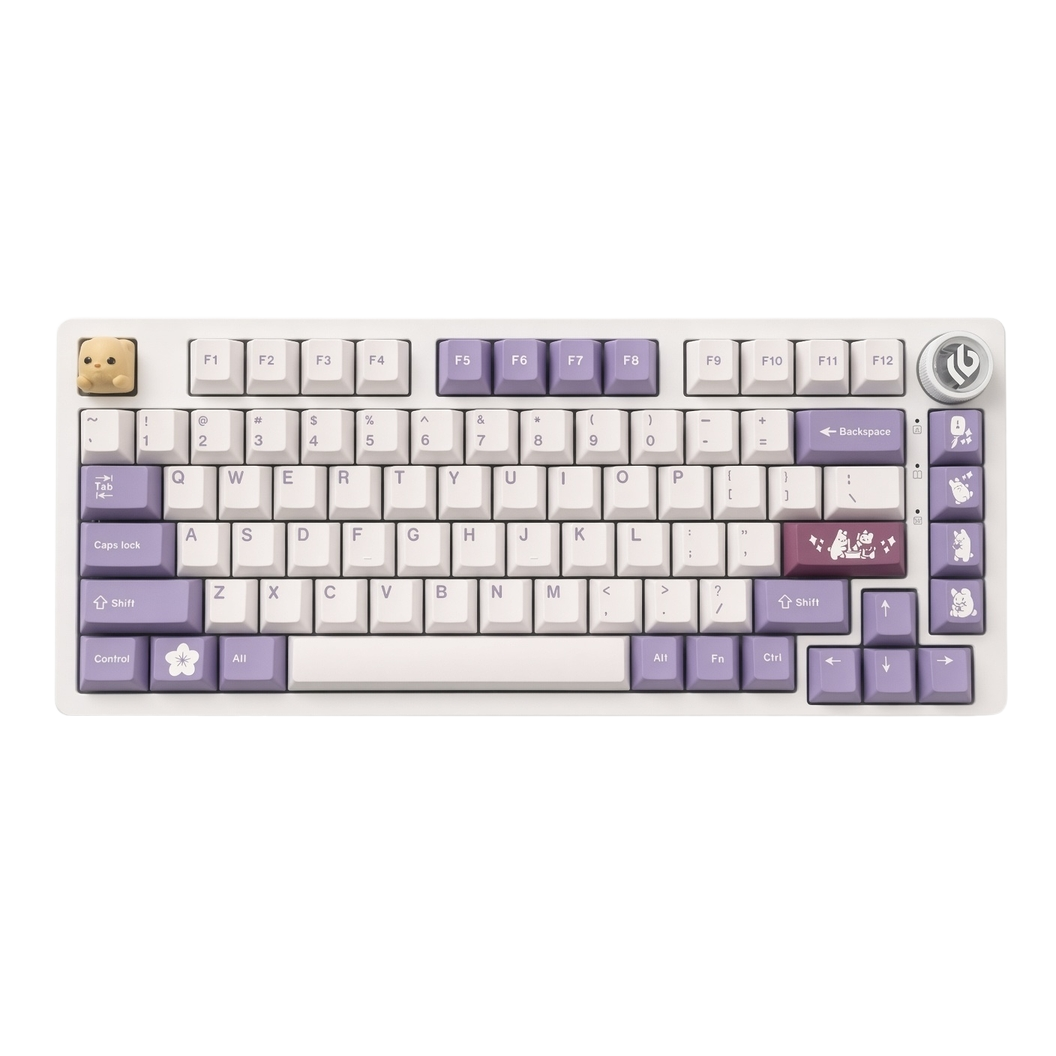
Lilac custom mechanical keyboard

85% · Gateron Oil Kings · two builds

r/MechanicalKeyboards

The object

Mechanical keyboards

Favourite thing is a compact custom mechanical keyboard. Not one store board forever. Building and retuning until the feel is right. I like 85%: function row and arrows stay, but it is not a full-size brick eating the desk. Same desk has notes, a laptop, and whatever project is half open. I do not need a museum of boards. Two solid ones that I actually use is enough.

Switches are personal. Gateron Oil Kings when the rest of the stack cooperates. Plate changes the sound. Case changes how hollow it feels. Keycaps change look and friction. Stabilisers take patience. A rattle you ignore on day one will annoy you later. Foam and mount style matter more than people think if you type for hours. None of this is magic. It is trial and error with a screwdriver.

I care about keyboards more than most hobbies because you can finish one. Software always wants another pass. A board can reach a point where you stop opening the case. That is rare and kind of nice. Same habit as debugging: change one thing, check, stop when it is good. If it sounds fine and feels fine, leave it alone.

Photos of two builds are here: navy and lilac. They are tools I use every day. For more noise from the hobby, the Reddit link is a decent external start. Builds, sound tests, layout arguments. Useful if you want the wider scene beyond my two boards.

External link

r/MechanicalKeyboards for builds, sound tests, and layout talk.

The activity

Coding

Coding was a hobby before it was work. That order still matters. I write software because problems are interesting, not only because a ticket says so.

Path was not straight into React. Python first: automation, scrapers, some ML experiments. Security topics, then mobile curiosity. Frontend stuck because that is where people meet the system. Bad UI makes good backends feel broken. TypeScript, React, and Next.js are the usual tools. The activity I like is broader: shape behaviour, name things okay, leave code that does not fight the next person. Fancy stack lists matter less than whether the feature is clear.

At erxes that was under real pressure. Caching, micro-frontends, design system pieces, virtualised tables. Code review forced me to explain choices. Teaching a pattern is a fast way to learn it. Same loop: notice friction, try a structure, see if life got easier. If it did not, throw the structure away without drama.

After hours there is always something. A layout to clean up, an API sketch, a bit of Go, this site without a framework. Next focus is design so things look as intentional as they behave. Coding stays the main activity because you type, run, and see. Quick feedback, still deep after years. That is enough reason to keep doing it. When I get stuck I take a walk, then open the file again and cut the clever bit.

Public trail is on GitHub. Portfolio and notebook mixed together. Commits as memory when I forget what I tried last month.

GitHub

How I work

  • Ship small slices
  • Prefer clear over clever
  • Read diffs like a teammate will
  • Learn design by building

Cubes, draughts, and keyboards use the same muscle: pattern, patience, small fixes.

From GitHub and daily use

Stack

Languages
Frontend
Backend and API
Databases and ORM
DevOps, hosting and tools